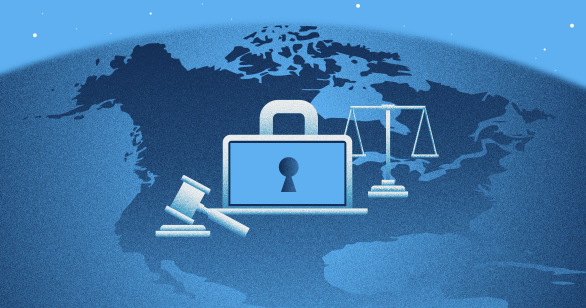
Global data privacy regimes converge on core principles—transparency, purpose limitation, data minimization, and robust individual rights—while preserving regional nuances. Europe enforces stringent controls; the Americas present a mixed, evolving landscape; Asia-Pacific exhibits diverse approaches. For organizations, this necessitates data mapping, consent management, and strict vendor governance, with audit-ready documentation and breach-response plans. The interplay of cross-border transfers and risk-based oversight requires careful alignment to multiple frameworks, timelines, and enforcement expectations, leaving market operators with a clear imperative to reassess program resilience.
How Global Privacy Rules Compare: A Quick Landscape Overview
Across jurisdictions, global privacy rules converge on core principles—transparency, purpose limitation, data minimization, and individual rights—while diverging in scope, enforcement rigor, and cross-border data transfer mechanisms.
The landscape emphasizes data cross border considerations and robust consent management, aligning practices with risk-based approaches, sectoral nuances, and oversight expectations.
Compliance teams compare regimes, map transfers, and implement standardized documentation to sustain lawful processing and freedom-enhancing transparency.
Regional Pillars: Europe, the Americas, and Asia-Pacific Explored
Europe, the Americas, and the Asia-Pacific region form distinct yet interconnected pillars in global data privacy governance, each underpinned by sectoral frameworks, enforcement rigor, and cross-border transfer mechanisms. Regional regimes drive global data localization, consent regimes, and cross-border transfers, while ongoing regulatory convergence refines harmonization, clarifies accountability, and supports compliant data flows within interoperable, risk-based compliance architectures.
Practical Implications for Businesses and Individuals
In light of evolving global regimes, what practical consequences do privacy laws impose on day-to-day operations for businesses and the information rights of individuals?
Compliance obligations necessitate data minimization and robust consent management, shaping data collection, processing, and retention.
Operational clarity emerges through policy documentation, auditability, and vendor governance, ensuring lawful processing, risk reduction, and transparent user interactions without impeding legitimate organizational goals.
Navigating Compliance: Key Frameworks, Timelines, and Next Steps
Navigating compliance requires a clear map of authoritative frameworks, aligned timelines, and concrete next steps for organizations operating across diverse jurisdictions.
The discussion analyzes major regimes, emphasizing data mapping and consent management as core controls.
It outlines timelines for onboarding, breach response, and periodic reviews, then recommends audit-ready documentation, cross-border transfer considerations, and governance cadences to sustain lawful, freedom-supporting data practices.
Frequently Asked Questions
How Do Privacy Laws Apply to Small Startups in Cross-Border Data Transfers?
Small startups must implement lawful disclosure and service-level safeguards; privacy audits verify compliance, while cross border transfers require appropriate safeguards and transfer mechanisms. The approach balances freedom to operate with accountability, transparency, and risk-based, data-protection-by-design practices.
What Are the Penalties for Non-Compliance in Emerging Markets?
Penalties in emerging markets vary, but stiff monetary fines and business suspensions commonly seed fear; penalty structures emphasize rapid corrective actions. Cross border risk mitigation requires robust compliance controls, monitoring, and transparent reporting to reduce regulatory exposure and sustain freedom.
Do Data Localization Requirements Vary by Industry or Sector?
Yes, data localization requirements vary by sector, reflecting industry-specific sensitivities and risk profiles; however, most jurisdictions impose general standards while permitting industry exceptions for certain data types, cross-border flows, or compliance mechanisms.
How Can Individuals Exercise Data Access Across Multiple Jurisdictions?
An image of interlinked doors opens: data portability enables cross-border access, but strict access rights must be navigated; individuals exercise data portability and access rights across jurisdictions through formal data requests, consent verification, and jurisdiction-specific statutory processes.
See also: Data Privacy in the Digital Age
Are Consent Requirements Harmonized for Automated Decision-Making Globally?
Consent requirements are not globally harmonized for automated decisions; frameworks vary. The analysis emphasizes consent clarity and control, noting divergent standards, cross-border implications, and compliance challenges while preserving individuals’ freedom to challenge or opt out of automated decisions.
Conclusion
In this evolving privacy landscape, compliance acts like a sturdy bridge spanning shifting regulatory tides. Across regions, data flows resemble currents—transparent notices, purpose-bound paths, and minimized footprints guiding every transaction. Europe’s strict clockwork, the Americas’ varied tempo, and Asia-Pacific’s mosaic create a layered panorama of risk and oversight. For organizations, meticulous data mapping, vendor governance, and audit-ready records illuminate the route, while individuals glimpse security in the quiet rigor of breach-ready, rights-respecting frameworks. The horizon favors interoperable, responsible processing.