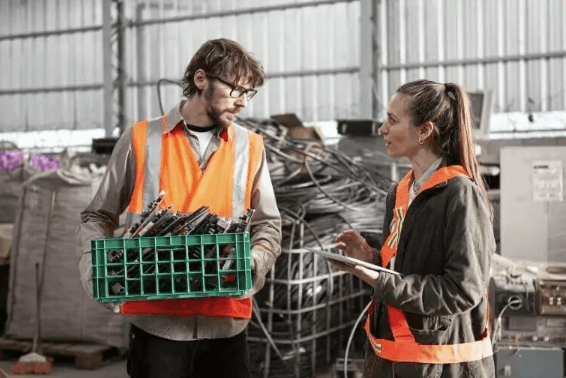
E-waste poses a growing resource and environmental risk that demands structured solutions. Design for longevity emphasizes repairability, upgrades, and modularity to extend device life. Scaled take-back and responsible recycling hinge on standardized processes, robust data sanitization, and verifiable metrics. Policy-aligned partnerships and transparent governance can align incentives and funding. Implementing these elements creates a measurable, circular ecosystem, yet the path to widespread adoption requires clear governance, cross-border coordination, and sustained accountability.
What Is E-Waste and Why It Demands Action
E-waste refers to discarded electrical and electronic devices, including obsolete phones, computers, appliances, and components.
The topic demands action due to mounting volumes, toxic elements, and resource loss.
Effective solutions rely on transparent Recycling economics to quantify costs, benefits, and incentives, and on understanding Consumer adoption patterns that drive reuse, lawful disposal, and material recovery.
Clarity enables scalable, freedom-respecting progress.
Design for Longevity: Repairability, Upgrades, and Modular Devices
Design for Longevity centers on designing devices that endure beyond a single lifecycle through repairability, upgrades, and modular construction.
The discussion highlights repairability metrics and modular design as core evaluators, guiding vendors toward dismantlable components, standardized interfaces, and serviceability.
Data-driven paths prioritize repair ease, component longevity, and upgradeability, enabling broader consumer autonomy, reduced waste, and sustainable product ecosystems without compromising performance or choice.
Circularity at Scale: Take-Back, Recycling, and Data Sanitization
How can large-scale take-back programs, efficient recycling streams, and rigorous data sanitization reduce e-waste volumes while preserving resource value? Circulation at scale hinges on interoperable logistics, standardized processes, and transparent metrics.
Take back initiatives channel discarded devices into high-value streams; data sanitization protects user trust while enabling reuse, refurbishment, and material recovery, reducing waste, conserving resources, and accelerating circular viability.
Policy, Programs, and Partnerships That Drive Change
Policy, programs, and partnerships are the backbone of scalable e-waste solutions, aligning regulatory signals, industry incentives, and stakeholder collaboration to reduce waste and recover value.
The discourse translates policy incentives into actionable frameworks, enabling transparent governance, measurable progress, and accountable stewardship.
Geopolitical coordination harmonizes standards, while data-informed collaborations optimize collection networks, funding models, and cross-border waste flows for resilient, freedom-preserving outcomes.
See also: The Role of Blockchain in Cloud Computing
Frequently Asked Questions
How Can Individuals Safely Dispose of Small Electronics at Home?
They can safely dispose of small electronics by using at-home practices that minimize risk, such as unplugging devices, remove batteries when possible, and recycling via local curbside programs or authorized e-waste centers, ensuring compliance and data sanitization.
What Is the True Cost of E-Waste Mismanagement for Communities?
Bite-sized costs cloud communities; the true cost of e-waste mismanagement includes social impacts and unclear costs, like polluted soils and lost productivity. The analysis, data-informed and precision-driven, points toward accountability, transparent budgeting, and targeted mitigation strategies for freedom-loving stakeholders.
Which Certifications Ensure Responsible E-Waste Processing Facilities?
Certified facilities adhere to recognized schemes, including R2 and e-Stewards, with rigorous compliance auditing guiding responsible processing, data-handling, and hazardous waste management; ongoing verification ensures continual improvement and transparent reporting for freedom-seeking stakeholders.
How Can I Extend a Device’s Life Beyond Planned Obsolescence?
Extending lifespans requires repair-friendly design integrated with modular components, durable enclosures, and accessible service guides; the approach emphasizes data-informed maintenance schedules and standardized parts to empower individuals to extend device usefulness beyond planned obsolescence.
Are There Affordable Refurbishing Options for Obsolete Gadgets?
A cautious navigator, the answer: yes, affordable refurbishing exists for obsolete gadgets. Data-informed options include refurbishers, component salvaging, and upgradable hardware. This freedom-minded approach emphasizes transparent pricing, quality assurance, and lifecycle extension without compromising performance.
Conclusion
In summarizing, e-waste management solutions emerge as a precise, data-informed response to a growing challenge. The theory that extended device lifespans and transparent recycling unlock durable material recovery proves plausible when design for longevity, scalable take-back, and verifiable metrics align with policy-backed partnerships. The evidence suggests that repairable, modular devices reduce waste and conserve resources, while standardized processes and governance yield trustworthy disposal. If implemented at scale, these solutions can deliver measurable environmental and economic benefits.