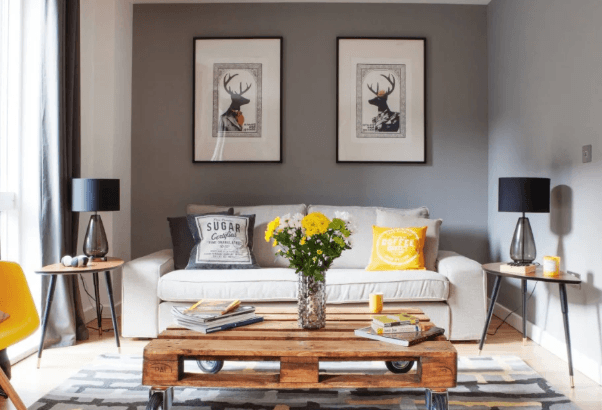
A smart budget and quick wins set the pace for improving a home without overspending. Track every dollar and prioritize clarity over impulse. Refresh spaces with color psychology and layered lighting to highlight features, not add fixtures. Upcycle existing materials and reclaim clutter with intentional storage. Create focal points through deliberate decor, repeatable moves, clean contrasts, and balanced scale. Every choice should feel practical and affordable, with daylight and flexibility guiding the next step—a small shift can open new possibilities.
Start With a Smart Budget and Quick Wins
A smart budget is the foundation of affordable home improvement, guiding decisions with clarity rather than impulse.
The approach emphasizes budget tracking to monitor expenditures and identify overruns early.
It also highlights savings tactics, turning small, deliberate cuts into noticeable gains.
Refresh Your Space With Color and Light
Color and light redefine a space without major renovations. Color psychology guides tasteful choices, balancing mood with practicality rather than trends. Layered lighting creates depth, highlights architectural features, and improves usability without new fixtures. The approach favors flexible palettes and natural daylight, enabling quick refreshes that feel intentional. This method supports freedom-minded homeowners seeking affordable, meaningful updates with lasting impact.
Upcycle and Reorganize for Impact
Upcycling and reorganizing offers a practical path to tangible improvements without new purchases. The approach emphasizes thoughtful reuse of existing materials and deliberate placement to reduce clutter. From clever storage rearrangements to repurposed containers, it demonstrates how small, intentional changes yield visible impact.
Key elements include upcycling ideas and organization hacks that empower homeowners seeking freedom through simplicity and resourcefulness.
Create Focal Points and Practical Decor on a Dime
Creating focal points and practical decor on a dime centers on smart, repeatable moves that draw the eye without overspending. The approach emphasizes clean, deliberate contrasts, balanced scaled elements, and purposeful placement. Upcycle ideas surface as accessible tools, transforming castoffs into statement pieces. Focal point strategies guide room rhythm, ensuring affordable enhancements deliver measurable impact and lasting freedom in living spaces. concise, actionable, economical.
Frequently Asked Questions
How Can I Measure ROI on Small Home Upgrades?
The answer: how to quantify ROI involves forecasting increased home value and faster resale, while tracking cost per square foot helps normalize investments; it requires careful documentation, period comparison, and conservative assumptions to maintain practical, freedom-focused decision-making.
Which DIY Fixes Save the Most Energy per Dollar?
Insulation upgrades save the most energy per dollar, especially when paired with diligent weather stripping benefits. DIY fixes like sealing gaps and upgrading attic insulation offer practical, engaging results for homeowners seeking freedom and measurable, cost-effective efficiency gains.
See also: The Role of AI in Crypto Trading
What Tools Are Essential for Budget-Friendly Projects?
Essential tools for budget-friendly projects hinge on quality basics: a reliable drill, measuring tapes, level, utility knife, hex/driver set, pliers, saw, clamps, flashlight, screwdriver bits, and a moisture meter. Budget basics guide tool selection for freedom.
How Do I Prioritize Updates for Maximum Impact?
Prioritize impact by mapping projects to rapid ROI, then align with budget planning. He weighs efficiency upgrades first, focusing on high-return areas. This approach emphasizes practicality and freedom, guiding decisions that maximize value while preserving budgetary flexibility.
Are There Grants or Rebates for Home Improvements?
Subtle whispers of opportunity rise, like an old fable, as the answer: yes, exists grants overview and rebates eligibility guiding choices. The seeker weighs options, pragmatic and free, navigating programs, thresholds, deadlines, and practical funding paths for home improvements.
Conclusion
A smart budget is a compass, guiding every decision toward daylight and function. Small, deliberate changes act as keys, unlocking rooms with renewed purpose. Color and light become quiet messengers, turning clutter into calm. Upcycled touches and thoughtful storage transform chaos into order, while repeatable decor creates a steady heartbeat of style. In the end, simplicity stands as a sturdy pillar: practical, affordable, and ever-present, quietly signaling that beauty grows where intention meets everyday life.